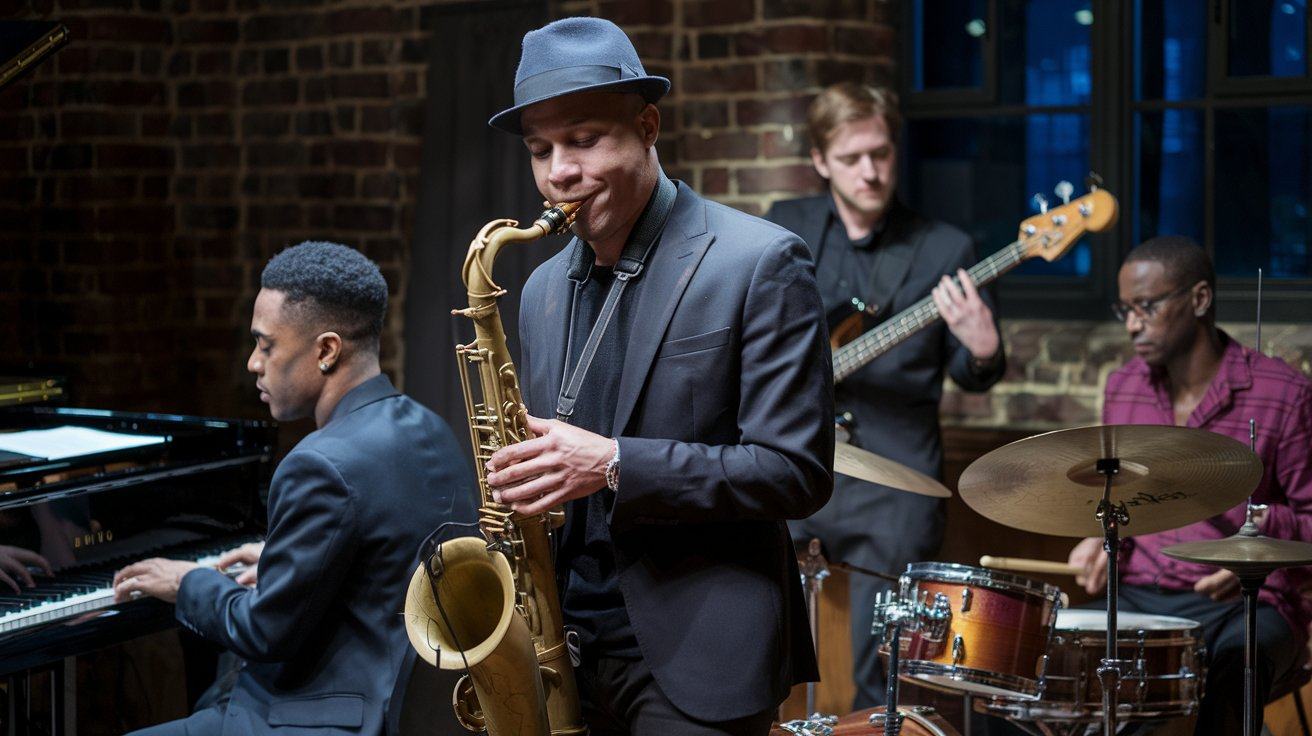
Harlem, a vibrant neighborhood in New York City, holds a legendary place in the history of music. Known as the birthplace of jazz and blues, Harlem became a cultural epicenter during the early 20th century, shaping the evolution of these musical genres and leaving an indelible mark on American culture. Its streets, venues, and talented musicians transformed Harlem into the heart of the Jazz Age and an enduring symbol of creativity and artistic expression.
In this article, we’ll explore how Harlem became the birthplace of jazz and blues, its historical context, iconic venues, and the renowned artists who made it all possible.
The Harlem Renaissance: A Cultural Awakening
The rise of jazz and blues in Harlem can be traced back to the Harlem Renaissance, a cultural movement that spanned the 1920s and 1930s.
What Was the Harlem Renaissance?
The Harlem Renaissance was a period of artistic, intellectual, and cultural growth among African Americans, centered in Harlem. This movement, which flourished in the early 20th century, was fueled by the Great Migration, during which African Americans moved from the rural South to urban centers like New York in search of better opportunities and freedom. Harlem quickly became a hub for Black artists, writers, musicians, and performers, who used their talents to redefine cultural identity and challenge social norms. Through literature, jazz, visual art, and activism, Harlem symbolized a new era of pride and expression for the Black community.
Today, Harlem continues to be a thriving cultural and historical destination that draws visitors from around the world. If you’re looking to explore the heart of this iconic neighborhood and immerse yourself in its rich heritage, Welcome to Harlem offers guided tours that bring its history to life. From landmarks like the Apollo Theater to the artistic legacy of the neighborhood’s jazz clubs and murals, these tours showcase how Harlem remains a cornerstone of cultural identity and creativity.
Whether you’re an art lover, a history enthusiast, or simply curious to experience Harlem’s vibrant energy, there’s no better way to learn about its impact on culture and society than by walking its streets and hearing its stories. Welcome to Harlem is your gateway to understanding why this neighborhood remains a beacon of inspiration for generations past, present, and future.
Jazz and Blues Take Center Stage
Music was at the heart of the Harlem Renaissance. Jazz and blues, both rooted in African American traditions, found new life in Harlem’s clubs, theaters, and streets. These genres became a powerful form of expression, blending emotion, rhythm, and improvisation to tell stories of joy, hardship, and resilience. Harlem’s cultural energy provided the perfect backdrop for jazz and blues to flourish.
Why Harlem Was the Perfect Setting for Jazz and Blues
Harlem’s transformation into a cultural hub was no accident. Several factors contributed to its role as the birthplace of jazz and blues.
1. The Great Migration
During the early 20th century, millions of African Americans left the South to escape poverty, segregation, and racial violence. Many settled in Harlem, bringing with them rich musical traditions, including spirituals, work songs, and blues. The blending of these influences created fertile ground for the birth of new genres.
2. Economic and Social Opportunities
Harlem offered a space where musicians, artists, and performers could thrive. The neighborhood’s booming nightlife and growing demand for entertainment provided opportunities for jazz and blues musicians to hone their craft and share their music with diverse audiences.
3. Community and Collaboration
Harlem’s cultural vibrancy encouraged collaboration among artists. Musicians often came together to experiment with sounds, rhythms, and improvisation, leading to the evolution of jazz and blues. This sense of community played a significant role in the development of these genres.
Iconic Venues: The Heartbeat of Harlem’s Music Scene
Harlem’s legendary venues were instrumental in establishing the neighborhood as the birthplace of jazz and blues. These spaces provided a platform for emerging artists and became cultural landmarks in their own right.
1. The Cotton Club
The Cotton Club was one of Harlem’s most famous nightclubs during the Jazz Age. Known for its glamorous atmosphere and top-tier entertainment, the club showcased performances by iconic artists like Duke Ellington, Cab Calloway, and Lena Horne.
- Though it catered primarily to white audiences, the Cotton Club played a pivotal role in popularizing jazz music and introducing Harlem’s talent to the mainstream.
2. The Apollo Theater
The Apollo Theater remains a symbol of Harlem’s rich musical legacy. Opened in 1934, it became a launching pad for many legendary artists, including Ella Fitzgerald, Billie Holiday, and James Brown.
- Amateur Night at the Apollo gave aspiring musicians the chance to perform in front of live audiences, helping to discover and nurture new talent.
3. Small’s Paradise and The Savoy Ballroom
Small’s Paradise was one of the few Harlem venues that welcomed integrated audiences, creating a space where everyone could celebrate jazz and blues together. Similarly, the Savoy Ballroom was legendary for its dance culture and live music, hosting performances by big bands and jazz ensembles.
- These venues helped foster creativity and inclusivity, making Harlem’s music scene truly dynamic.
The Legendary Artists Who Defined Jazz and Blues in Harlem
Harlem was home to some of the most influential musicians in the history of jazz and blues. Their talent and innovation shaped the genres and paved the way for future generations of artists.
1. Duke Ellington
Duke Ellington, one of the greatest jazz composers and bandleaders of all time, rose to fame while performing at the Cotton Club. His innovative compositions and arrangements pushed the boundaries of jazz, earning him international acclaim.
2. Bessie Smith
Known as the “Empress of the Blues,” Bessie Smith brought raw emotion and powerful vocals to her performances. Her music captured the struggles and triumphs of African Americans, making her a defining figure in the blues genre.
3. Louis Armstrong
Louis Armstrong’s groundbreaking trumpet playing and charismatic stage presence made him a jazz icon. Armstrong’s music, filled with improvisation and energy, resonated with audiences across racial and cultural divides.
4. Billie Holiday
Billie Holiday’s soulful voice and unique phrasing brought a new level of emotion to jazz and blues. Songs like Strange Fruit highlighted social issues and cemented her legacy as one of Harlem’s most powerful voices.
The Lasting Influence of Harlem’s Jazz and Blues
The impact of Harlem’s jazz and blues extends far beyond the neighborhood itself. These genres revolutionized the global music scene and continue to influence modern music today.
1. Global Reach
Jazz and blues, born in Harlem, spread across the United States and around the world. Artists like Duke Ellington and Louis Armstrong performed internationally, introducing audiences to the energy and innovation of Harlem’s music.
2. Cultural Legacy
The Harlem Renaissance and its music played a crucial role in shaping African American identity and culture. Jazz and blues became symbols of resilience, creativity, and freedom, inspiring future generations of musicians and artists.
3. Influence on Modern Music
The improvisational nature of jazz and the emotional depth of blues continue to influence genres like rock, R&B, hip-hop, and pop. Harlem’s music legacy remains alive in contemporary sounds and rhythms.
Conclusion
Harlem’s role as the birthplace of jazz and blues is a testament to its rich cultural history and the resilience of its people. Through the Harlem Renaissance, iconic venues, and legendary musicians, Harlem gave the world two of the most influential musical genres in history.
Even today, Harlem remains a beacon of artistic expression and a celebration of African American culture. Jazz and blues, which started in this neighborhood, continue to inspire musicians and audiences worldwide, proving that Harlem’s legacy is timeless. For those who love music, Harlem is not just a place—it’s a living, breathing story of creativity, passion, and innovation.
 Epic Journeys