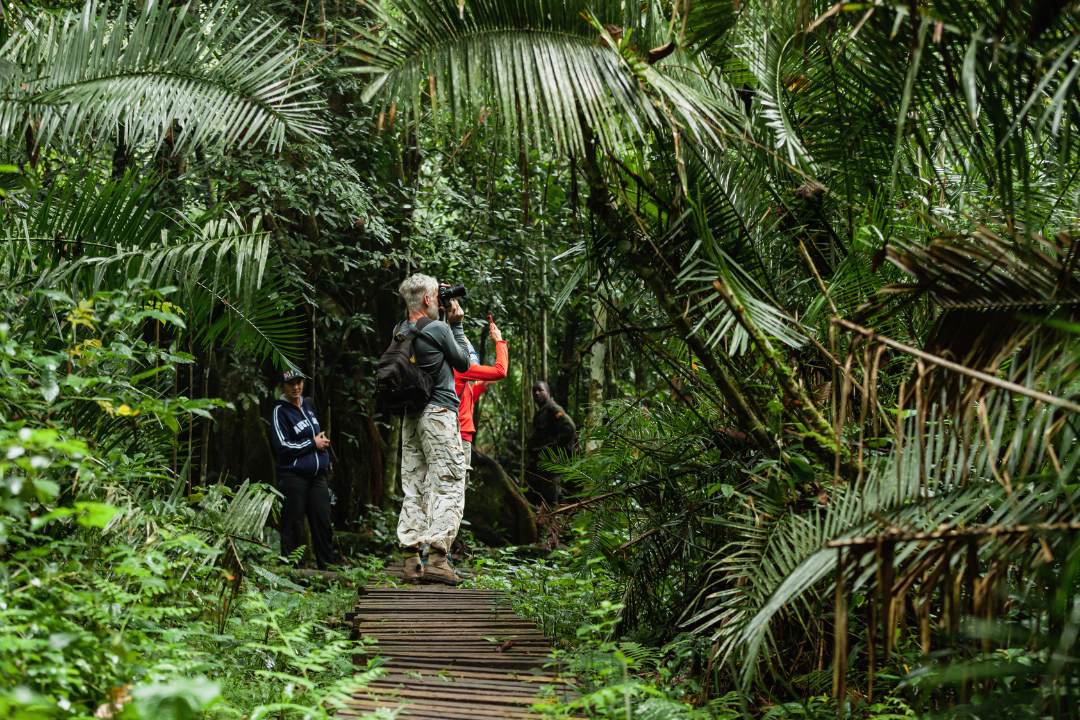
In recent years, Morocco has emerged as a leading destination for travelers seeking sustainable and meaningful travel experiences. From the majestic Atlas Mountains to the enchanting Sahara Desert, Morocco offers a unique blend of natural beauty, vibrant culture, and eco-friendly initiatives that appeal to environmentally conscious tourists.
This rise in ecotourism is not accidental. Morocco has strategically developed initiatives that focus on preserving its natural and cultural heritage while promoting sustainable practices. In this article, we’ll explore why Morocco’s ecotourism is gaining popularity and how it benefits travelers, the environment, and local communities.
What Makes Morocco an Ecotourism Hotspot?
1. Geographic Diversity
Morocco’s diverse geography is one of the key factors driving its popularity as an ecotourism destination.
- Atlas Mountains: These towering peaks offer endless opportunities for trekking, wildlife observation, and immersion in Berber culture.
- Sahara Desert: The golden dunes of the Sahara provide a stunning backdrop for eco-friendly activities like camel treks and stargazing.
With such varied landscapes, Morocco appeals to adventure seekers, nature lovers, and cultural enthusiasts alike.
2. Cultural Richness
Morocco’s cultural heritage is as diverse as its landscapes. From the sweeping sands of the Sahara to the bustling medinas of cities like Marrakech, the country offers a vibrant mix of Arab, Berber, and African influences. This unique cultural blend is beautifully expressed through Morocco’s intricate architecture, flavorful cuisine, and time-honored traditions that have been passed down for generations.
Ecotourism plays a crucial role in allowing travelers to engage with Morocco’s rich heritage in an authentic and sustainable way. Through hands-on workshops, immersive village stays, and guided explorations, visitors can connect with the essence of Moroccan life while minimizing their environmental impact. Companies like Adrar EcoTours specialize in providing these meaningful experiences, offering curated journeys that take travelers deep into the heart of Berber villages and untouched natural landscapes.
How Ecotourism Benefits Local Communities
1. Economic Empowerment
One of the most significant benefits of ecotourism is its ability to create sustainable economic opportunities.
- Job Creation: Locals are employed as guides, hospitality staff, and artisans, directly benefiting from the influx of eco-conscious tourists.
- Support for Local Businesses: Family run guesthouses, craft shops, and food vendors see increased patronage, ensuring that tourism dollars stay within the community.
For instance, purchasing a handcrafted rug or attending a cooking class in a Berber village directly contributes to the community’s livelihood.
2. Preservation of Traditions
By involving locals in tourism activities, Morocco ensures that its cultural traditions are preserved and passed down to future generations.
- Workshops and Cultural Events: Activities like pottery-making, traditional weaving, and music performances give tourists an immersive experience while supporting artisans.
- Reviving Heritage: Increased interest from tourists often encourages locals to revive and celebrate age-old traditions, ensuring they don’t fade away.
These initiatives foster a sense of pride among communities and offer visitors a deeper connection to Moroccan culture.
Environmental Impact of Morocco’s Ecotourism
1. Conservation Efforts
Morocco’s ecotourism promotes the preservation of its unique ecosystems through sustainable practices.
- Wildlife Protection: Many ecotourism projects focus on safeguarding endangered species, such as the Barbary macaque.
- Sustainable Lodging: Eco-lodges and camps often use renewable energy and practice waste reduction, minimizing their environmental footprint.
These conservation efforts ensure that Morocco’s natural wonders remain intact for generations to come.
2. Combating Desertification
Desertification is a pressing issue in Morocco, particularly in rural areas. Ecotourism has sparked initiatives to combat this problem.
- Reforestation Projects: Some ecotourism operators organize tree-planting activities, allowing travelers to contribute to environmental restoration.
- Soil Conservation: Projects aimed at restoring overused land not only improve the environment but also provide jobs for local residents.
By participating in these efforts, tourists play an active role in preserving Morocco’s environment.
Why Travelers Choose Ecotourism in Morocco
1. Meaningful Travel Experiences
Ecotourism offers an alternative to conventional tourism, focusing on meaningful interactions and personal growth.
- Cultural Immersion: Visitors can live with Berber families, learn traditional crafts, and participate in community events, gaining a deeper understanding of Moroccan life.
- Adventure with Purpose: Activities like trekking, camping, and wildlife observation are paired with sustainability, making the experience both enjoyable and impactful.
These experiences resonate with travelers seeking more than just sightseeing, making Morocco an ideal destination.
2. Unique Accommodations
Morocco’s eco-friendly accommodations are a major draw for tourists.
- Eco-Lodges: These establishments often feature traditional architecture, solar energy, and locally sourced materials, blending comfort with sustainability.
- Desert Camps: Luxurious yet eco-conscious camps in the Sahara offer visitors a chance to experience the desert without compromising the environment.
Such unique stays enhance the overall travel experience, creating unforgettable memories.
Challenges in Morocco’s Ecotourism Industry
1. Managing Tourist Numbers
As ecotourism gains popularity, managing the influx of visitors becomes a challenge.
- Overcrowding Risks: Too many tourists can strain resources and detract from the authenticity of the experience.
- Environmental Strain: Increased foot traffic in sensitive areas can harm ecosystems if not managed carefully.
Balancing growth with sustainability is crucial to ensuring Morocco’s ecotourism remains impactful.
2. Fair Distribution of Benefits
Ensuring that local communities receive a fair share of tourism revenue is another challenge.
- Transparent Revenue Sharing: Governments and operators must ensure that funds are reinvested into the community.
- Empowering Locals: Providing training and education can help locals take on leadership roles in ecotourism ventures.
Addressing these issues is vital for maintaining the long-term success of Morocco’s ecotourism industry.
Top Ecotourism Activities in Morocco
- Camel Treks in the Sahara: Explore the golden dunes sustainably with experienced guides.
- Trekking in the Atlas Mountains: Stay in eco-friendly guesthouses and enjoy breathtaking views.
- Cultural Workshops: Learn traditional crafts, such as pottery or weaving, from local artisans.
- Wildlife Observation: Spot unique species in Morocco’s national parks and reserves.
- Participate in Reforestation: Join efforts to plant trees and restore the environment.
How Travelers Can Support Morocco’s Ecotourism
- Choose Eco-Friendly Operators: Research and support businesses that prioritize sustainability.
- Respect Local Customs: Learn about Moroccan traditions and behave respectfully.
- Support Local Artisans: Purchase handmade goods and participate in community-led workshops.
- Reduce Waste: Avoid single-use plastics and leave no trace during your travels.
- Spread Awareness: Share your experiences to inspire others to choose sustainable travel.
Conclusion
Morocco’s ecotourism is more than a trend; it’s a movement towards sustainable and meaningful travel. By focusing on environmental conservation, cultural preservation, and community empowerment, Morocco has positioned itself as a leader in responsible tourism.
For travelers, ecotourism in Morocco offers a chance to explore breathtaking landscapes, connect with local communities, and leave a positive impact. Whether trekking through the Atlas Mountains, riding camels in the Sahara, or learning traditional crafts, every experience contributes to a brighter future for Morocco’s people and its environment.
 Epic Journeys